
3 Common Chimney Repairs Homeowners Shouldn't Ignore
Regular chimney maintenance is a critical responsibility for homeowners who wish to preserve the safety and efficiency of their fireplaces. Neglecting necessary repairs can lead to severe consequences, such as increased fire risks, structural damage, and decreased air quality within the home. Ensuring a chimney is in top condition also contributes to the longevity of your fireplace system. A well-maintained fireplace can last for over 100 years, according to This Old House, offering warmth and ambiance across generations. This article explores common chimney repair issues that should never be overlooked, emphasizing both prevention and appropriate responses to identified problems.
1. Damaged Chimney Cap
A. Importance of a Chimney Cap
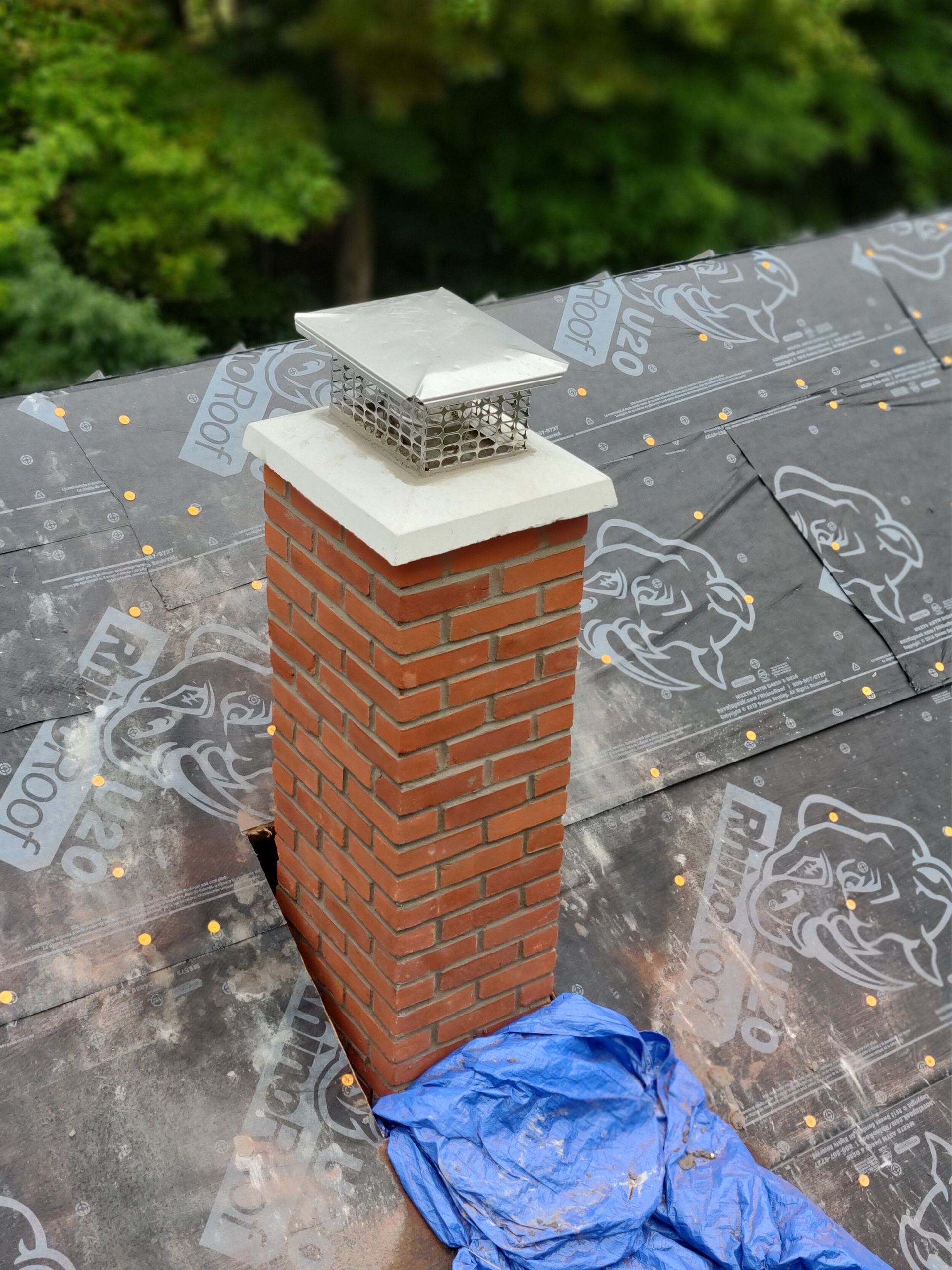
The chimney cap serves a vital role in maintaining chimney health by preventing debris, precipitation, and animals from entering the chimney flue. It acts as the first line of defense against environmental factors that can damage the chimney interior over time. A functioning cap also helps to reduce moisture, which can degrade the structure of the chimney. Without it, the facade and interior elements of the chimney are exposed to risks that can lead to costly repairs. Additionally, a chimney cap aids in preventing sparks and embers from escaping, enhancing overall safety.
B. Common Causes of Cap Damage
Chimney cap damage typically occurs due to exposure to harsh weather conditions, including rain, snow, and high winds. Over time, these elements can lead to rust or detachment of the cap. Animal interference, such as birds nesting or bats finding refuge, may also result in damage. Mechanical damage from improper installation or accidental contact can compromise the cap's integrity. Recognizing these potential threats helps homeowners take preemptive action to protect their chimney caps.
C. Signs of a Damaged Chimney Cap
A damaged chimney cap may manifest through observable physical deterioration such as rust, dents, or warping. Homeowners might notice an increase in moisture accumulation, evidenced by water stains or an unexplained dampness in the fireplace. Frequent sightings of debris within the chimney or an influx of animals can be telltale signs of compromise. Increased downdrafts or external odors entering the home can also signal a problem with the chimney cap. Regular inspections help in identifying these signs early, promoting timely intervention.
D. Consequences of Not Repairing
Failing to repair a damaged chimney cap can result in several adverse effects, including heightened risks for water damage that weakens both the chimney and surrounding structures. Without a proper barrier, wildlife and debris can obstruct the chimney, leading to potentially dangerous blockages. The chimney flue’s efficiency may decline, causing creosote buildup and increasing risks of chimney fires. Furthermore, moisture intrusion can accelerate the deterioration of bricks and mortar, compromising the structural integrity of the chimney. Addressing cap issues promptly is crucial to maintain a safe and efficient fireplace system.
E. Repair and Replacement Options
Repairing a chimney cap often involves straightforward fixes, like reattaching or sealing edges to restore proper coverage. In cases of severe damage, replacement might be the most effective solution to ensure full protection. Investing in a durable material such as stainless steel for replacement caps can offer long-term benefits against weather-induced wear. Professional inspection and installation guarantee that the cap fits correctly, providing maximum protection. Regular maintenance checks every year can prevent small issues from escalating into significant problems.
2. Cracks in the Chimney Crown
A. Role of the Chimney Crown
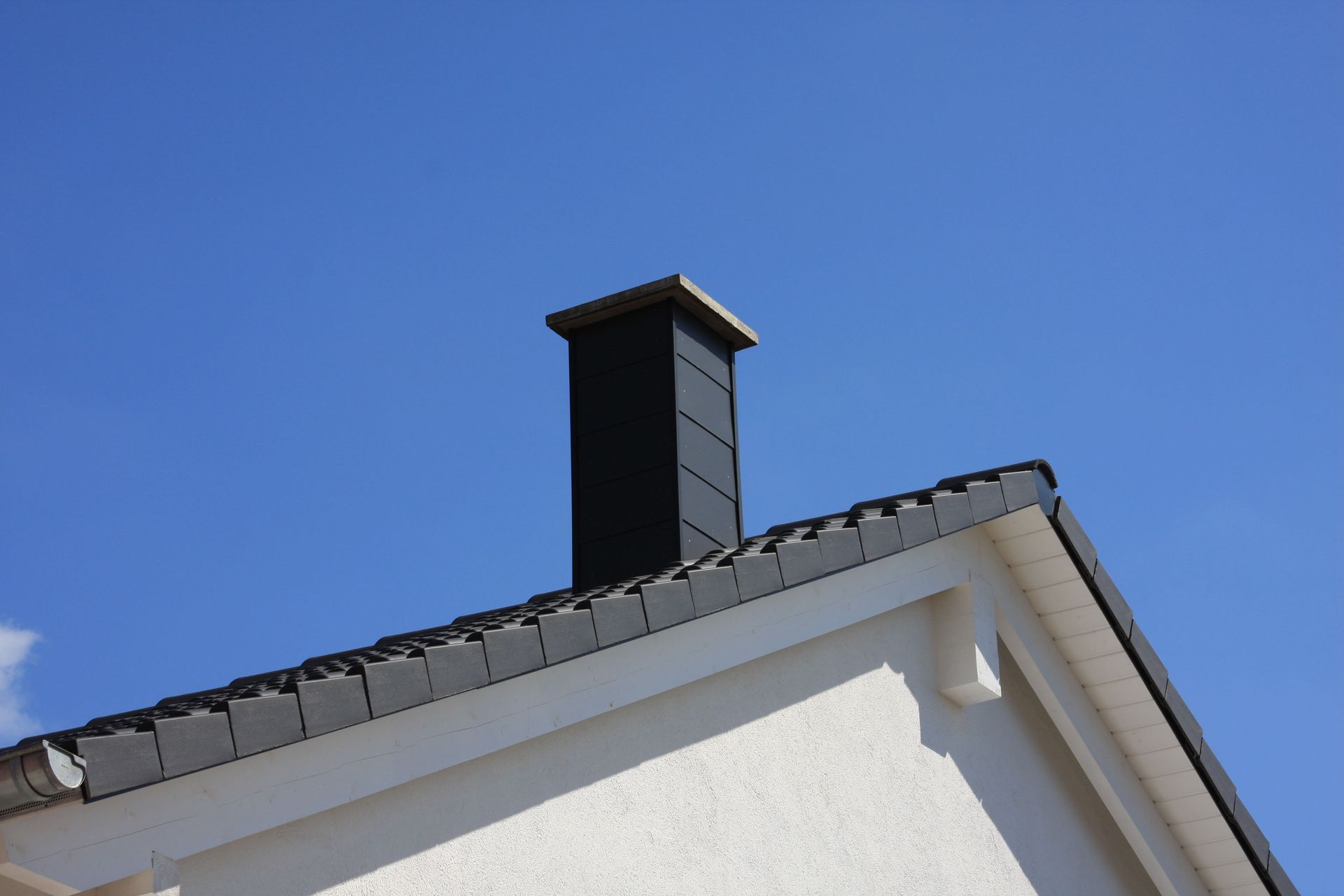
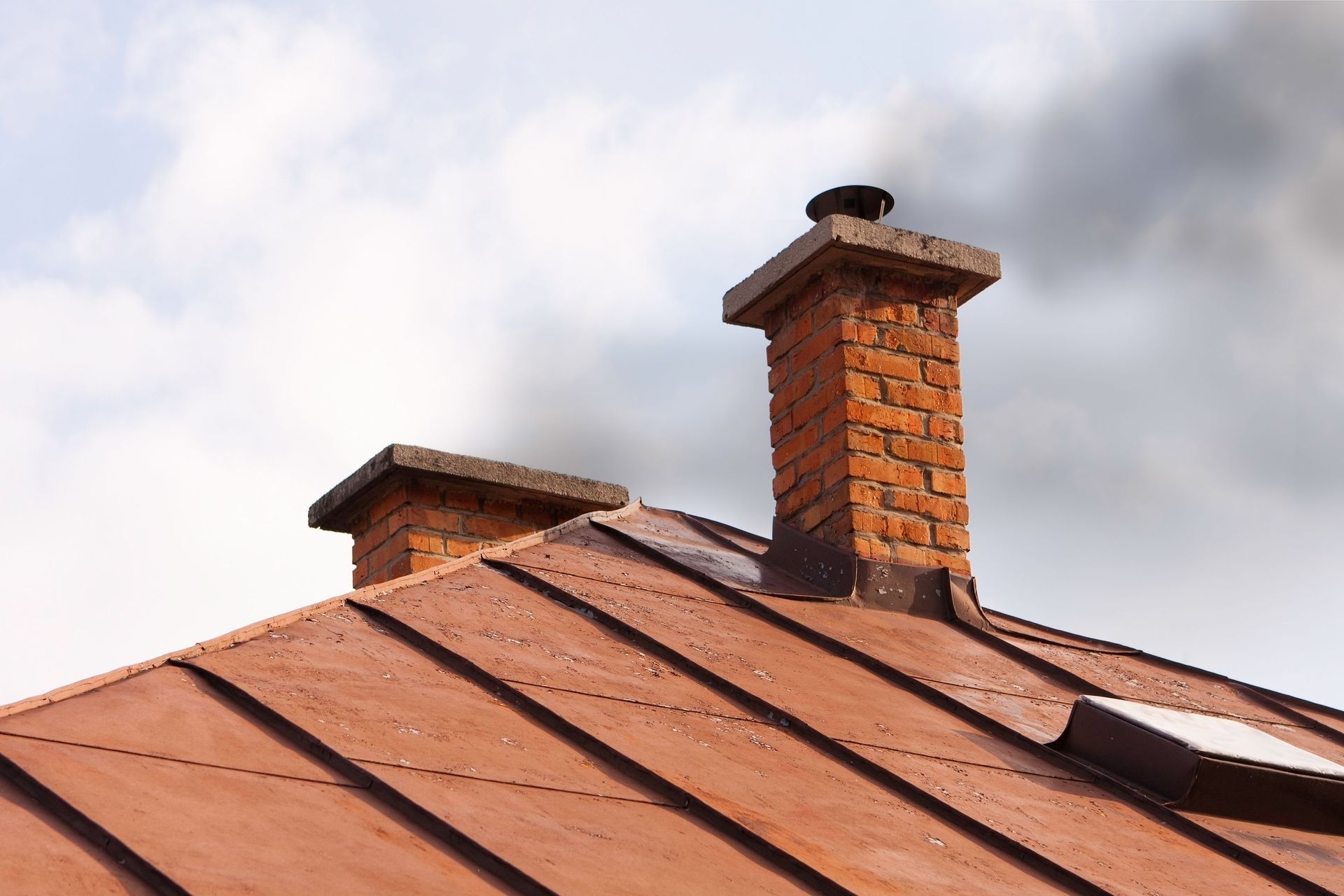
The chimney crown serves as a shield, protecting the brick and mortar from environmental factors and preventing water from seeping into the structure. It is often constructed of concrete or metal, though it can be susceptible to wear and cracks over time. A well-designed crown directs water away from the chimney, reducing erosion risks to the masonry. The crown must be properly sloped to ensure water runoff, further securing the chimney’s structural integrity. Essential for chimney longevity, the crown demands regular assessment to identify any potential weaknesses early.
B. Causes of Cracking
Temperature fluctuations cause expansion and contraction in the materials of the chimney crown, leading to cracks. Poor installation or the use of substandard materials can result in early cracking as well. Heavy rainfall and moisture ingress can exacerbate small fissures, eventually leading to large cracks. Additionally, freeze-thaw cycles in colder climates can have a cumulative damaging effect on the crown. Identifying these factors early allows homeowners to implement preventative measures to protect the crown.
C. Identifying Crown Damage
Common indicators of crown damage include visible cracks or deterioration on the surface. Water leaking into the fireplace during rain or snow events often points to crown issues. Efflorescence, or white staining on brick surfaces, can also suggest that water is being absorbed instead of being deflected properly. Observing any unusual plant or moss growth on the crown or nearby bricks may also signal moisture ingress. Regular chimney inspections can help identify these issues promptly, allowing for timely intervention.
D. Risks of Neglecting Repairs
Ignoring crown damage can lead to severe structural issues, as continued moisture infiltration degrades the mortar and bricks. Over time, this can result in chimney leaning, collapse, and even foundational damage to the home. Additionally, water intruding from the compromised crown can cause interior damage, such as ceiling and wall stains. The increased moisture can also foster mold and mildew growth, posing health risks to inhabitants. Timely repairs are thus crucial to prevent structural compromise and extend the life of both the chimney and the home.
E. Repair Techniques
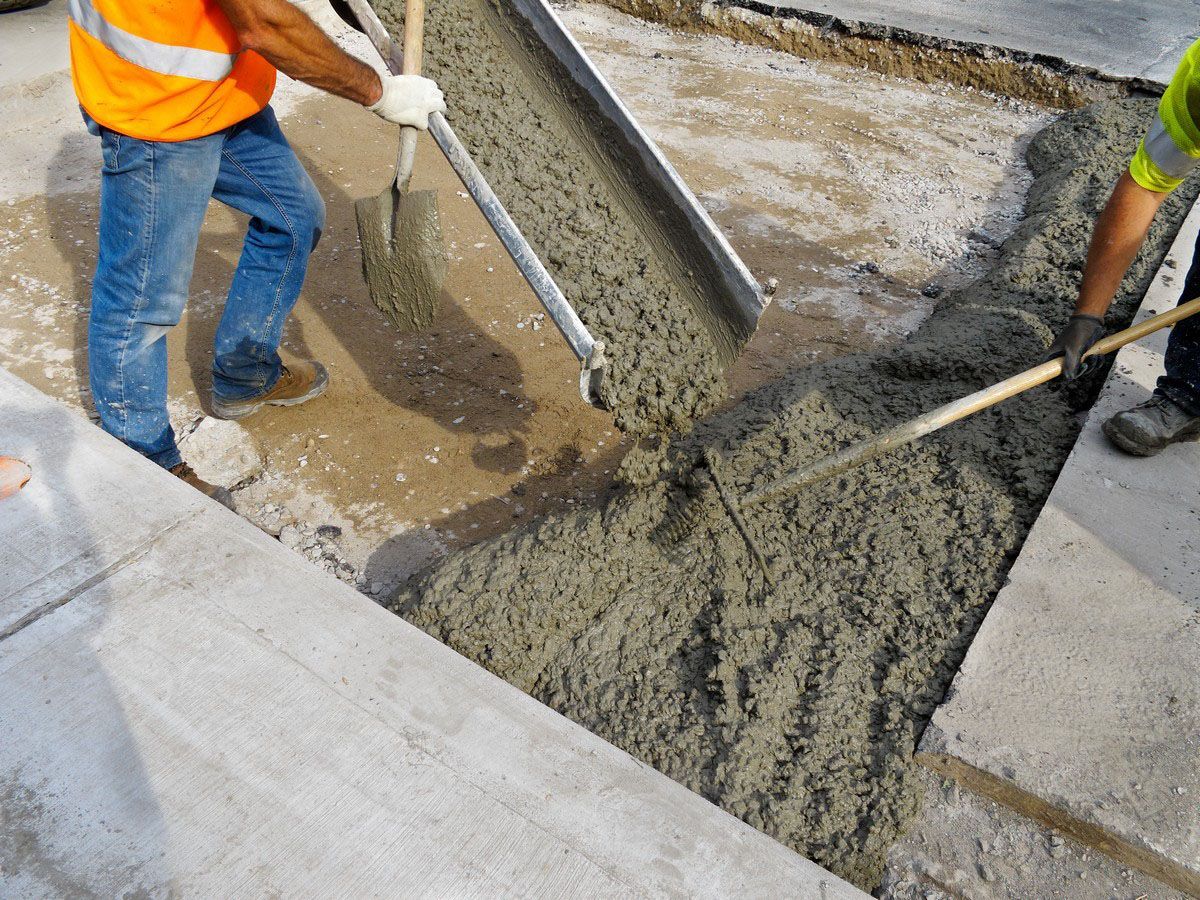
Repairing a cracked chimney crown can involve sealing the cracks with waterproof materials specifically designed for masonry repair. For extensive damage, a crown replacement may be necessary, providing an opportunity to install a more durable design. Using specialized crown sealants can prevent future moisture penetration and extend the crown's lifespan. Hiring professional services ensures that repairs are carried out effectively and that future issues are minimized. Regular inspections post-repair help maintain crown integrity and prevent new problems from developing.
3. Liner Deterioration
A. Function of the Chimney Liner
The chimney liner plays a crucial role in protecting the chimney walls from heat and corrosive byproducts. It facilitates safe exit pathways for smoke and gases, keeping them away from the living areas. Liners also enhance the energy efficiency of the chimney by improving draft and temperature control. They mitigate risks of fire by containing heat and preventing it from reaching combustible materials. Their presence is essential for the overall safety and function of the fireplace system.
B. Signs of Liner Deterioration
Visible cracks or heat damage on the chimney walls may indicate liner deterioration. Issues with draft maintenance, such as smoke not properly exiting through the chimney, often suggest liner concerns. Hearing unfamiliar noises like debris falling inside the liner can also signal disintegration or blockage. Unexplained increases in this causing smoke to enter the home are further warning signs. Regular professional inspections are essential for identifying subtle liner issues early, allowing for timely remediation.
C. Impact of a Damaged Liner
A compromised liner can lead to increased fire hazards as excessive heat potentially reaches combustible parts of the building. Damaged liners can diminish the efficiency of the chimney system, resulting in increased fuel consumption, as the fireplace struggles to maintain proper draft. Liner deterioration may also cause harmful gases like carbon monoxide to seep into the living areas, posing significant health threats. As damage continues, structural components within the chimney can start to erode, leading to more extensive and costly repairs. Addressing liner problems promptly helps maintain safety standards and prevent escalation of damage.
Addressing chimney repairs promptly is essential for maintaining both the safety and efficiency of home heating systems. Each component plays a critical role, necessitating frequent inspections and timely maintenance to prevent costly issues. Be sure to reach out to J&A Masonry, LLC today to learn more about our professional masonry services!
Share On: