
How Often Should You Have Your Chimney Cleaned?
Understanding the importance of chimney maintenance is crucial for ensuring safety and efficiency in your home. Regular chimney cleaning is not just about maintaining cleanliness, but it is integral for preventing dangerous fires and maintaining air quality. When you need a professional chimney sweep, you can consider these factors to make an informed decision. Homeowners can utilize regular maintenance to help maintain the longevity of their chimney by optimizing the performance of their heating system and avoid potential hazards.
Understanding the Function of a Chimney
The primary function of a chimney is to expel smoke and harmful gases produced during combustion from the living space. This ensures that the air quality within a home remains safe and breathable. A well-maintained chimney plays a crucial role in protecting occupants from carbon monoxide poisoning, which can be fatal in high concentrations. Moreover, a chimney helps in preventing heat build-up in the structure of the home, reducing the risk of accidental fires. Therefore, ensuring that the chimney functions efficiently is not a luxury but a vital safety measure.
Chimneys are designed to create a draft that draws air through the fire and exhausts smoke and gases outside. Typical chimneys are constructed from materials like metal, brick, or stone, providing a durable structure capable of withstanding high temperatures. The interior flue is usually lined with specialized fire-resistant material to protect the chimney walls and improve efficiency. Different designs, such as masonry or prefabricated chimneys, have unique maintenance requirements. Therefore, understanding the design and structure of your chimney is crucial for tailoring its maintenance needs effectively.
Proper smoke ventilation is essential for healthy and clean air in a home using a fireplace or stove. Efficient ventilation helps in removing toxic gases such as carbon monoxide and reduces moisture build-up, which can lead to structural damage. Clogged flues from soot or creosote build-up can impede this process, increasing the risk of backdrafts. Ensuring that these pathways remain clear is critical for both safety and function. Regular inspections and a thorough chimney sweep can help maintain optimal ventilation, contributing to a safe living environment.
Recognizing That Your Chimney Needs Cleaning
Soot and creosote are byproducts of burning wood that accumulate inside the chimney flue. Creosote is especially hazardous due to its highly flammable nature and can ignite at high temperatures, causing chimney fires. Thick layers of soot or creosote are visible indicators that cleaning is required. Homeowners should check for these substances by shining a flashlight into the chimney and observing any accumulation. According to the EPA, three of every ten house fires caused by home heating are due to poorly maintained fireplaces and dirty chimneys, highlighting the importance of addressing this issue promptly.
Smoke backdraft occurs when there is a reversal of air pressure, causing smoke to flow back into the home instead of up the chimney. This can happen due to blockages, negative air pressure, or improperly sized flue pipes within the chimney. Signs of backdraft include smoke stains above the fireplace or the sounds of air being sucked back into the chimney. If smoke escapes into the living area during usage, it indicates an urgent need for a proper chimney sweep and inspection to identify the underlying issue.
Unpleasant or unusual odors emanating from the fireplace are cause for concern, often indicating chimney issues. These odors are typically caused by creosote deposits, animal remains, moisture accumulation, or mildew in the chimney. An effective way to troubleshoot is by checking for visible debris, moisture, or significant build-up within the chimney. Ignoring these odors might lead to more severe issues, compromising indoor air quality.
Understanding Factors That Affect Cleaning Frequency
The type of fuel burned in a fireplace greatly affects how often a chimney should be cleaned. For instance, burning unseasoned wood or green wood creates more smoke and soot, necessitating more frequent cleanings. Conversely, using seasoned hardwoods results in less creosote build-up, reducing the cleaning frequency. Oil and gas fireplaces generally produce fewer byproducts, but they still require regular inspections to ensure ventilation is unobstructed.
How often you use your fireplace directly impacts the frequency and urgency of chimney cleaning. Frequent use, especially during colder months, leads to faster creosote build-up and greater residue deposits. You may need a chimney sweep more frequently if you use you fireplace as a primary heat source than if you just use it occasionally. Infrequent users might get away with a once-a-year cleaning while those in extended cold regions might necessitate multiple cleanings annually.
Seasonal variations and weather conditions can influence chimney cleaning needs. Winter is the primary season of use, leading to increased residue and creosote, necessitating prompt cleaning in the spring. In moisture-heavy climates, chimneys may become damp and harbor unpleasant odors or mold, demanding more frequent cleanings. Warmer months offer optimal conditions for routine maintenance without interfering with fireplace use.
Arising Problems of Not Cleaning Your Chimney Regularly
Failing to clean a chimney regularly poses significant fire hazards. Creosote, a byproduct of burning wood, is highly flammable and can ignite causing hazardous chimney fires. According to the EPA, three of every ten house fires caused by home heating are due to poorly maintained fireplaces and dirty chimneys. When a chimney fire occurs, extreme temperatures can damage structural components, potentially spreading to the rest of the home.
Obstructed chimneys can lead to poor ventilation, resulting in smoke and other harmful gasses to backdraft into your home. This exposure is especially dangerous due to carbon monoxide, a colorless, odorless gas that is potentially fatal in high concentrations. Frequent respiratory issues, headaches, or fatigue in households are often signs of prolonged exposure. Regular maintenance ensures efficient smoke expulsion, reducing exposure risks.
Accumulation of soot or residue can impede airflow, translating to decreased efficiency in heating systems. When hot air and smoke do not escape freely, warmth generated is partially lost, forcing homeowners to use more fuel. This inefficiency consequently leads to increased energy costs. A frequent chimney sweep to keep it clean can maximize heating efficiency, helping maintain optimal energy-saving conditions.
Planning a Chimney Schedule
Most experts endorse a minimum of one annual chimney cleaning to preserve safe and efficient operation. This routine service addresses the accumulation of soot and creosote, minimizing fire risks. Even infrequent users should align with this recommendation for thorough inspections, identifying concerns before they escalate. Homeowners might consider aligning this annual maintenance with either pre or post-season times for convenience.
The NFPA advises that chimneys, fireplaces, and vents should be inspected at least once a year. This inspection ensures the structure is sound, free of deposits, and has no defects that affect its safe function. Following these guidelines supports comprehensive evaluations of both visible and hidden chimney components. Inspections cater to bespoke needs, offering professional advice tailored to specific homeowner circumstances.
Developing a personalized cleaning schedule tailored to actual use patterns helps in maintaining a chimney in prime condition. Regular users should schedule more frequent inspections to address accelerated soot buildup. Off-season inspections might offer flexibility, preventing disruptions during peak usage. Variable factors such as weather and environment are pivotal in shaping bespoke cleaning timetables.
Regular cleaning with a
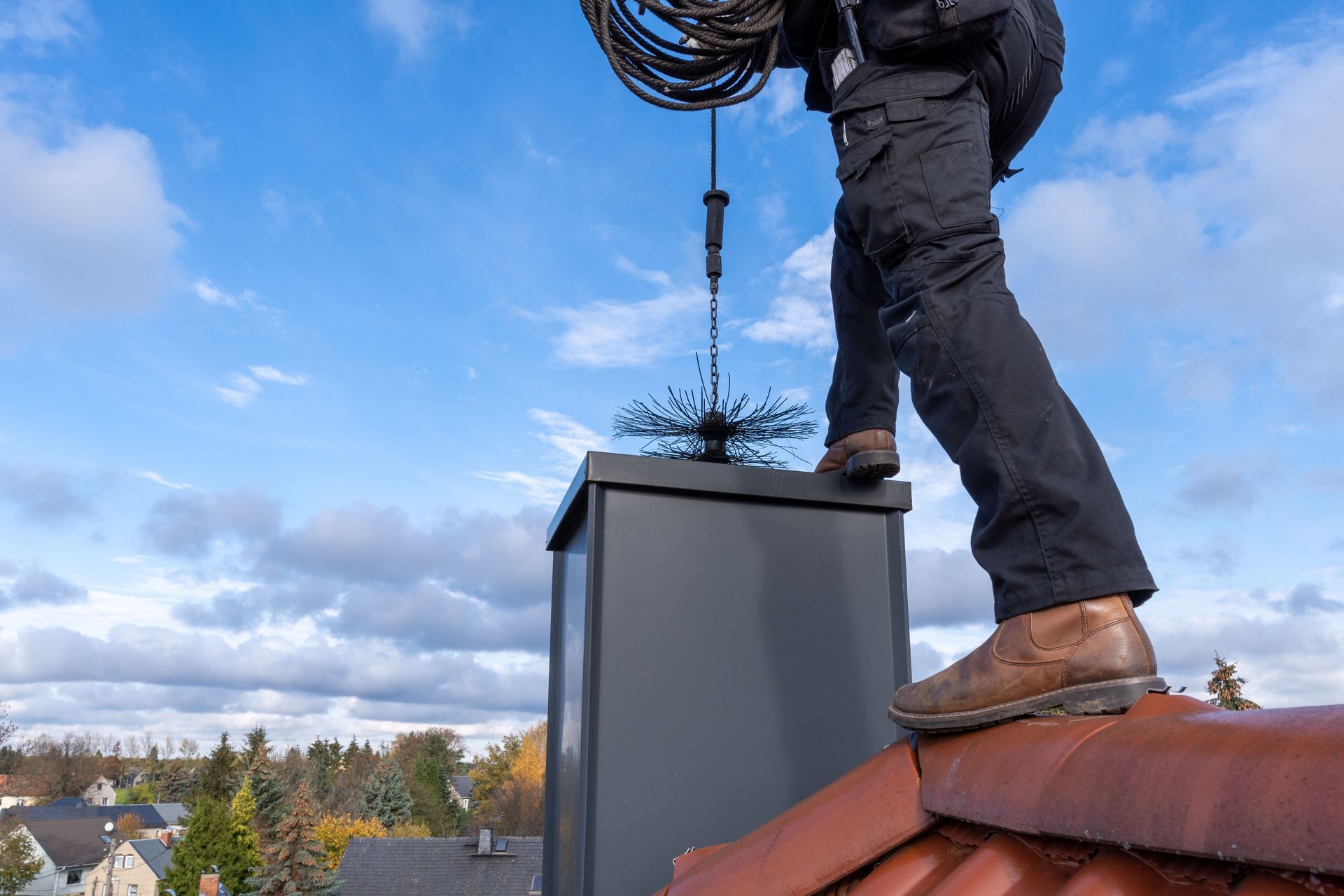
chimney sweep is not just about maintaining your home's appearance, but it's essential for safety, efficiency, and cost-effectiveness. By understanding the factors involved and following a structured cleaning schedule, you can ensure your chimney remains in optimal condition year-round. J&A Masonry, LLC offers a wide range of masonry work, including detailed chimney cleanings to help keep your home in good shape. Contact us today for more information.
Share On: