
6 Things Masonry Contractors Want You to Know About Chimneys
Chimneys provide warmth and aesthetic appeal in homes, especially during cold winter months when temperatures drop significantly. Despite their apparent simplicity, chimneys are complex structural systems requiring regular attention to ensure safety and efficient performance. Many homeowners overlook critical aspects of chimney maintenance, running the risk of creating hazardous living environments. Experienced masonry contractors, with their professional expertise in structural integrity and fireplace systems, emphasize the need for informed maintenance practices.
The collaboration between property owners and chimney specialists is pivotal to achieving an optimal chimney condition. Through mutual effort, potential risks can be identified early and addressed proactively, avoiding costly repairs or dangerous household situations. Experts act as knowledgeable partners, guiding homeowners toward responsible and effective maintenance choices. Understanding basic chimney structures is paramount to maximizing the safety and overall heating efficiency of your fireplace system. By investing time and resources into routine chimney care, homeowners successfully uphold safe, effective, and sustainable fireplace environments.
1. Maintain the Chimney Flue and Liner
The chimney flue serves as a critical internal pathway for exhaust gases, allowing smoke to escape safely from the home. This structure is essential in preventing toxic gases like carbon monoxide from infiltrating active living spaces. The flue's primary purpose is to ensure that all combustion byproducts from the fireplace exit the building efficiently. Because poor construction or neglected maintenance can compromise this function, understanding flue integrity is fundamental to basic residential safety. Professional masonry contractors note that routine cleanings keep this internal pathway entirely clear of blockages and heavy soot.
Chimney liners play an equally protective role by safeguarding internal walls from the hazardous effects of intense heat and corrosion. Liners act as an indispensable barrier between combustible home materials and the high temperatures generated by wood fire. According to the Bureau of Labor Statistics, employment for masonry workers is anticipated to expand by 2% throughout the decade spanning 2024 to 2034. Investing in professional installation and maintaining these protective liners aligns with safety ideals while preserving the surrounding brickwork from long-term degradation.
2. Protect the Crown and Cap
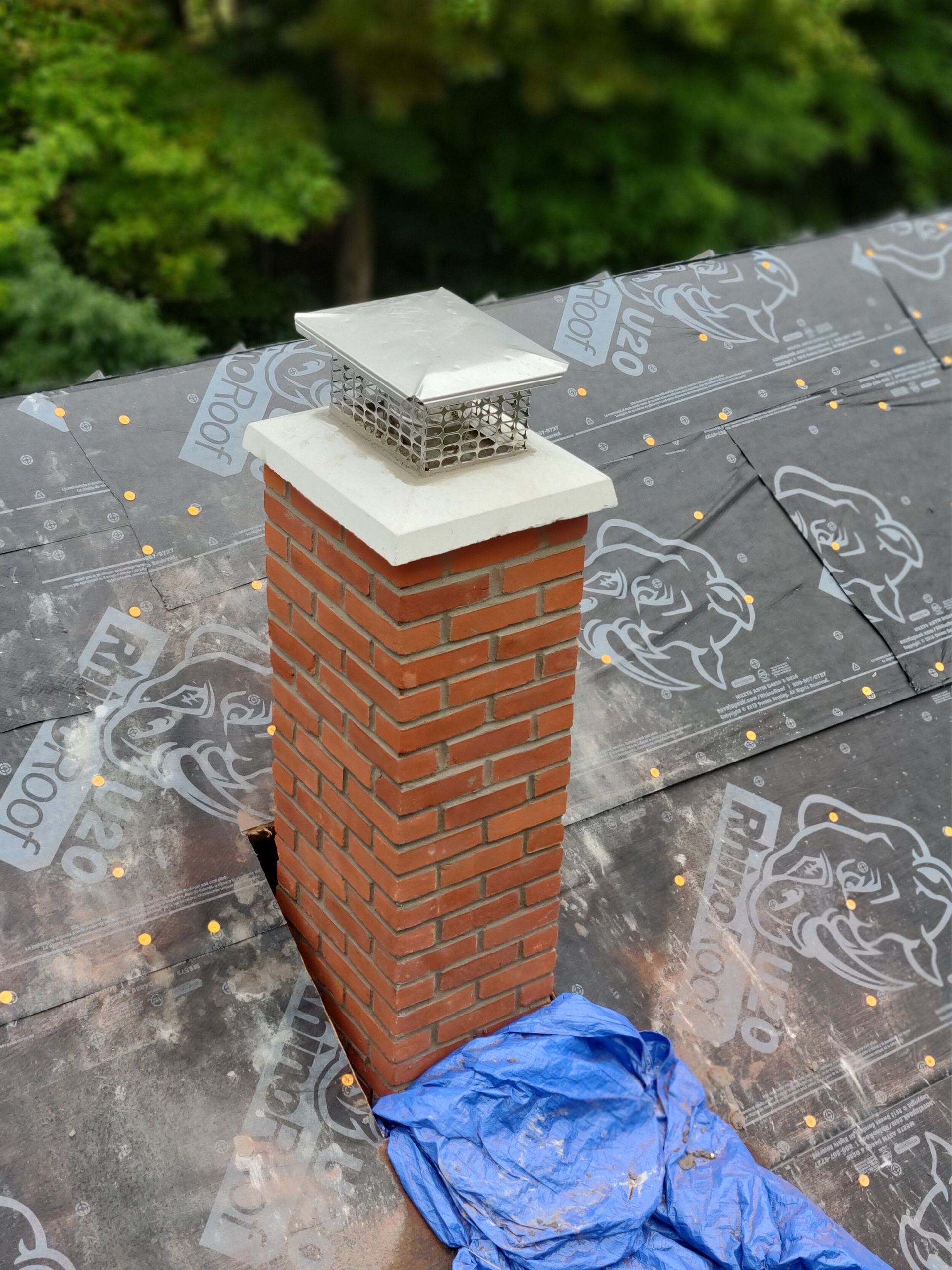
The chimney crown serves as a protective cover at the top, safeguarding the brick structure from harsh weather elements. A well-constructed crown is slightly sloped to direct water away from the chimney, preventing moisture from seeping into the bricks. Moisture infiltration leads to significant structural damage over time, including cracking, spalling, and rapid deterioration of the mortar joints. Regular sealing of the chimney crown is essential to ensure it performs optimally, preventing costly water damage and extending the chimney's operational lifespan.
Similarly, the chimney cap plays a crucial role in protecting the upper opening and enhancing overall ventilation performance. Acting as a barrier against rain, snow, and debris, the cap prevents external elements from causing internal harm. Professional masonry contractors recommend installing durable caps made from stainless steel to withstand severe outdoor conditions. By keeping elements out, a secure cap maintains a clear passage for smoke to escape while preventing nesting birds and small animals from entering.
3. Optimize the Smoke Chamber
The smoke chamber acts as the vital gateway between the fireplace and the chimney flue, directing exhaust gases upward. Positioned just above the firebox, it creates a seamless draft to facilitate the smooth exit of smoke. The chamber's physical design is critical to achieving an efficient draft and ensuring the safe removal of combustion byproducts. A properly shaped smoke chamber guides smoke smoothly into the flue while minimizing turbulent airflow that could cause dangerous exhaust to reenter your living spaces.
Over time, the smoke chamber can accumulate soot, potentially obstructing the effective flow of exhaust and creating severe hazards. Experienced masonry contractors recommend a specialized process called parging, which involves smoothing the chamber walls with refractory mortar to optimize airflow. Regular maintenance of this zone reduces friction, improves draft performance, and eliminates spaces where flammable creosote might settle. Prioritizing smoke chamber functionality underscores a commitment to safety, merging traditional craftsmanship with modern home heating standards.
4. Recognize Urgent Chimney Leaks
Chimney leaks are a common residential issue that can lead to serious structural damage if left unaddressed. Visible signs such as water stains on walls or ceilings near the fireplace indicate potential water penetration. Other indicators include efflorescence, a white powdery residue on bricks, and a rusted metal damper or firebox. Leaks typically occur due to various compounding issues, including inadequate flashing, damaged chimney crowns, or the complete absence of a protective top cap.
Detecting these localized leaks requires a keen eye for subtle structural changes around the fireplace area after heavy rainstorms. Homeowners should routinely inspect their brickwork for moisture penetration, especially after freezing winter weather conditions affect the exterior masonry. Scheduling inspections with experienced masonry contractors ensures that minor leaks are detected early and fixed before they cause extensive wood rot. Prompt action on detected leaks preserves the internal framing of your home and protects the overall structural stability.
5. Manage Hazardous Creosote Buildup
Creosote buildup inside flues poses a major fire hazard and must be managed responsibly by every homeowner. As a byproduct of burning wood, creosote accumulates along the chimney walls with dangerous consequences if neglected. It progresses through multiple stages, transforming from a flaky powder to a tar-like substance and a hardened glaze. Local masonry contractors emphasize that each progressive stage becomes increasingly difficult to remove and raises the risk of a dangerous chimney fire.
Unaddressed creosote accumulation restricts the chimney's capacity to vent smoke effectively, causing toxic exhaust to backpedal indoors. This backup seriously impacts indoor air quality and introduces carbon monoxide hazards to your family environment. Homeowners should prioritize professional cleanings, ideally during late summer, to mitigate these operational risks completely. Professional chimney sweeps possess the specialized tools required to remove hardened glaze safely, safeguarding your property and keeping your fireplace running efficiently.
6. Repair Brick and Mortar Deterioration
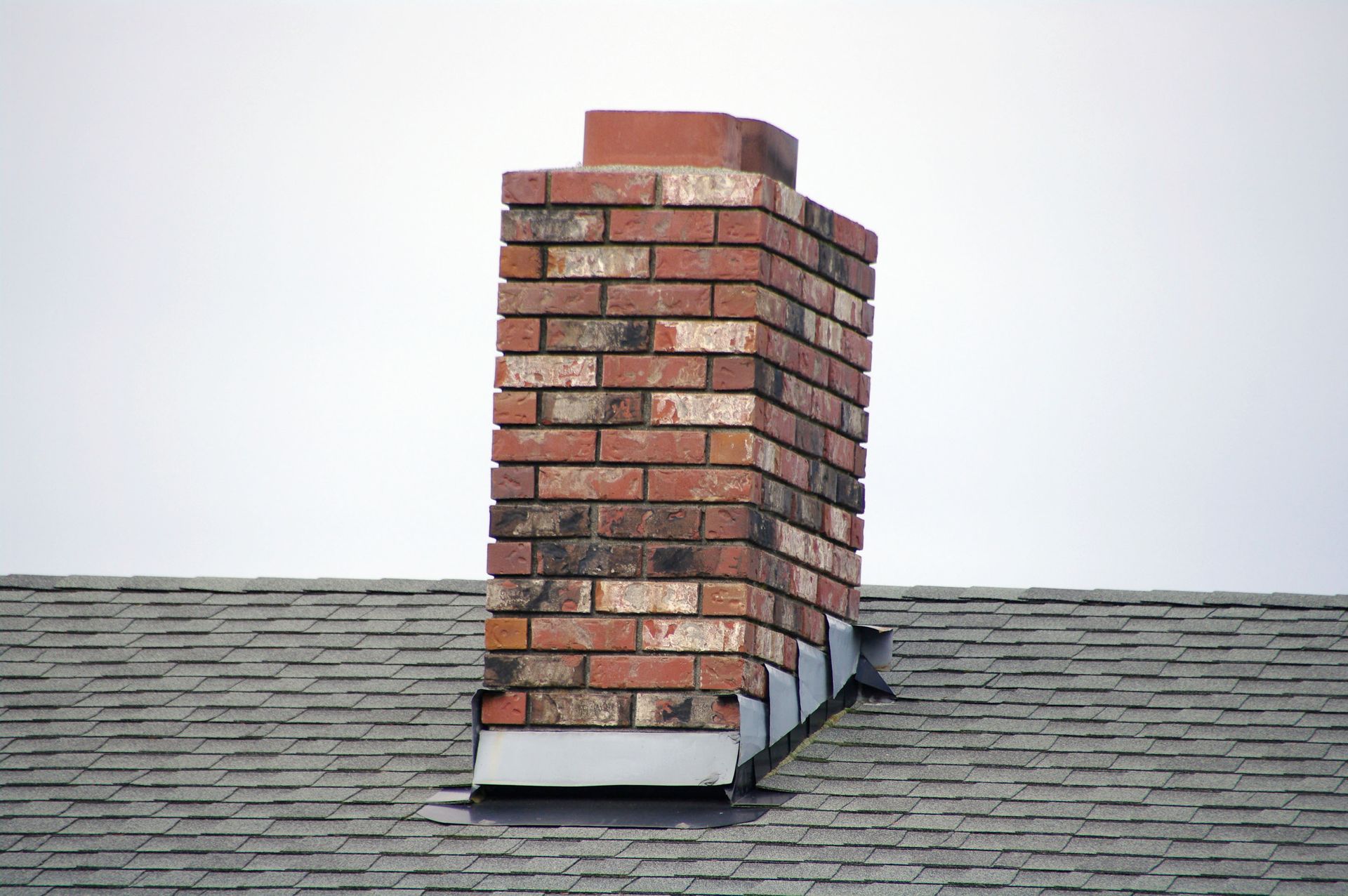
Brick and mortar deterioration in chimneys is a natural occurrence due to constant weather exposure, requiring prompt attention. Visible signs of wear include crumbling mortar joints, spalling bricks, and cracks forming along the masonry. Water infiltration accelerates this decay because moisture freezes in cold weather, expands, and causes further cracking within the structure. Homeowners should conduct regular visual inspections of their chimneys, observing physical changes that indicate possible structural deterioration.
Professional masonry contractors emphasize the importance of a repair process called tuckpointing to remedy decaying mortar joints. This technique involves removing damaged mortar and replacing it with fresh mortar that matches the original structure. Investing in repairs early guards against severe structural shifts, water intrusion, and potential chimney collapse. Maintaining the exterior brickwork ensures your chimney remains beautiful and stable, preserving your property value and supporting complete household safety.
Taking proactive care of your home fireplace system is essential for maintaining safety and operational efficiency. From the hidden pathways of the flue liner to the exposed surfaces of the brickwork, every component requires evaluation. By understanding these structural elements and recognizing early signs of damage, you can protect your home from fire hazards. Relying on professional masonry contractors ensures that your repairs are performed with precision and durable materials. Contact us at J&A Masonry, LLC to keep your fireplace safe and functional throughout the year.
Share On: