
The Right Cleaning Schedule for Wood Stoves and Fireplaces
Understanding the importance of a regular cleaning schedule for wood stoves and fireplaces is crucial for maintaining efficiency, safety, and longevity. This article provides a comprehensive guide on how often these systems should be maintained and the general steps involved in keeping them in good condition over time. Proper upkeep also supports long-term performance of masonry systems and connected chimney services, especially in homes that rely on consistent seasonal use.
Seasonal Maintenance Scheduling
Ensure Safety
According to Bottom Line Property Management, wood-burning fireplaces and stoves should be professionally cleaned after every 50-70 fires. Safety is the foremost consideration when it comes to maintaining wood stoves and fireplaces. Regular maintenance helps reduce the risk of creosote buildup, a flammable byproduct of burning wood that can accumulate inside chimneys and flue systems. When not addressed, these deposits can increase the risk of chimney-related fire hazards. Maintaining clean and functional chimney systems and fireplace components helps reduce these risks and supports safer operation over time. This is also closely connected to ongoing chimney services that help identify early structural concerns before they become serious.
Maintain Efficiency
Regular maintenance of wood stoves and fireplaces is essential for maintaining efficient performance. When soot and debris accumulate, airflow can become restricted, which may reduce combustion efficiency and limit heat output. Keeping internal components such as flues, fireboxes, and chimney passages in good condition helps support proper airflow and consistent performance during use. These performance factors are often evaluated during routine chimney services to ensure systems remain fully functional.
Extend Longevity
Routine upkeep contributes significantly to the long-term durability of wood stoves and fireplace systems. Over time, soot, moisture exposure, and heat cycles can impact masonry, metal components, and structural joints. Addressing minor issues early helps reduce the likelihood of more extensive deterioration and supports the overall lifespan of the system. Regular inspections through chimney services can also help detect early wear in connected structures.
Enhance Aesthetic Appeal
A well-maintained fireplace or wood stove contributes to the overall appearance of a living space. Accumulated soot and wear can affect both masonry surfaces and surrounding finishes. Keeping these systems in good condition helps preserve their visual appeal and ensures they remain a focal point within the home rather than a neglected feature. Chimney services can also include visual assessments of exterior masonry conditions that impact overall appearance.
Tool and Equipment Selection
Use Essential Maintenance Tools
Basic tools used in fireplace and wood stove upkeep may include brushes, scoops, and protective equipment designed for handling soot and debris. These tools help support routine upkeep of accessible areas within the system. While homeowners may use these tools for basic maintenance, professional chimney services are often required for deeper system evaluation.
Wear Recommended Safety Gear
Protective equipment such as gloves, masks, and eye protection can help reduce exposure to dust and fine particles during maintenance activities. Safety measures are an important part of any maintenance process involving fireplace or chimney systems. Proper safety protocols are also followed during professional chimney services to ensure controlled inspection environments.
Apply Eco-Conscious Cleaning Options
Some homeowners prefer mild or environmentally conscious cleaning solutions for surface-level maintenance. These may be used for light residue on accessible areas such as glass doors or exterior surfaces, depending on the system type. However, deeper buildup in masonry or chimney structures is typically addressed through professional chimney services.
Use Advanced Equipment
Specialized tools may be used for deeper inspection or maintenance of chimney systems and internal masonry structures. These tools are typically designed for accessing areas that are not reachable through standard maintenance practices. Many chimney services rely on this type of equipment to assess internal conditions accurately.
Wood Stove Maintenance Process
Complete Initial Preparation
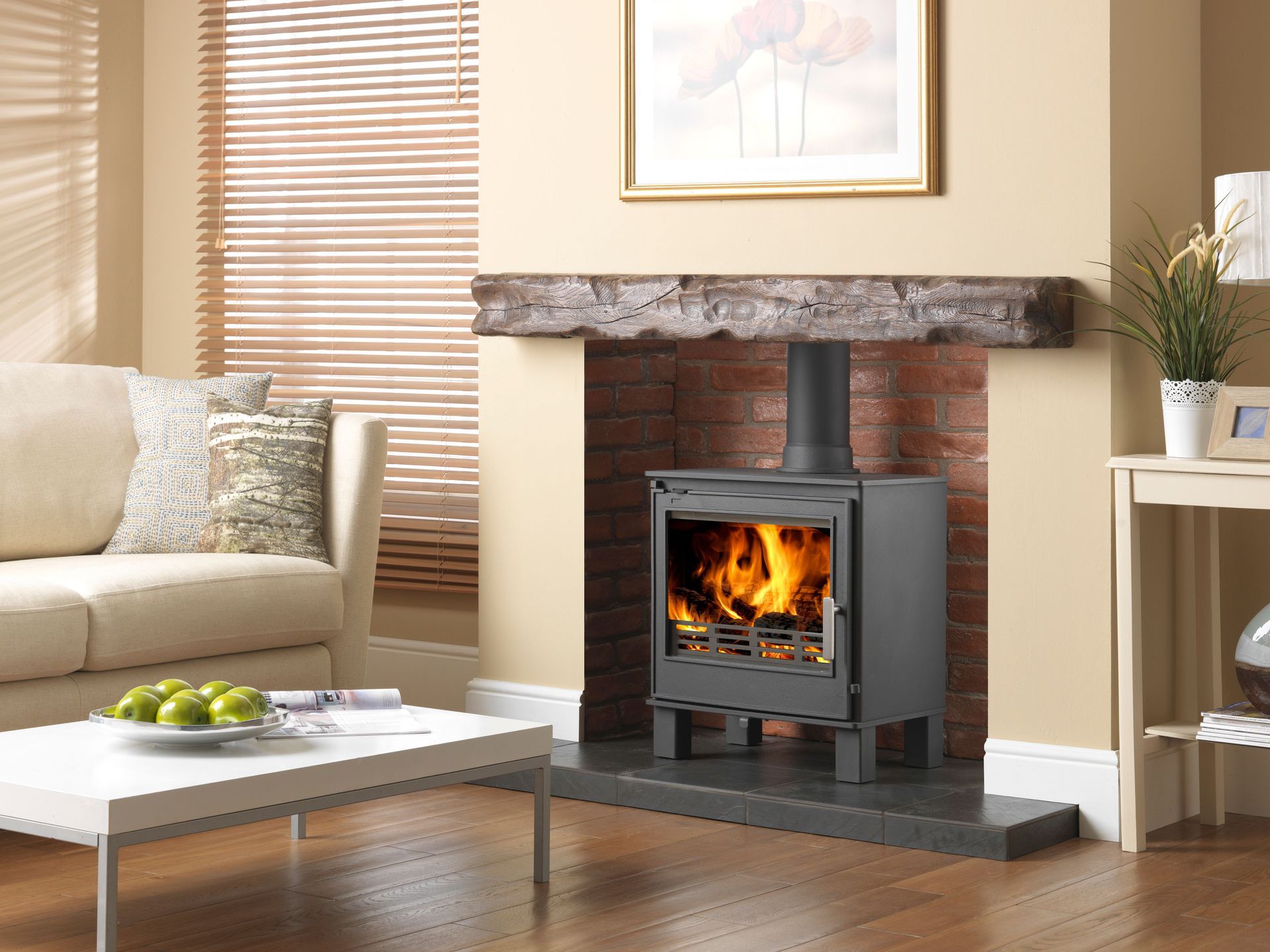
Before beginning maintenance, the system should be completely cool. Any remaining ash can be carefully removed from the firebox area. Proper preparation helps ensure safe and effective upkeep. This preparation step is also standard before any chimney services are performed on connected systems.
Inspect Interior Components
Interior areas such as the firebox and flue should be inspected for buildup or residue. Keeping these areas clear supports proper airflow and system efficiency. Careful attention to internal conditions helps maintain overall performance. These internal inspections are often extended through professional chimney services when deeper evaluation is needed.
Clean Exterior Surfaces
Exterior surfaces can be cleaned to remove dust, soot, or general buildup. This helps preserve the appearance of the stove and prevents long-term surface wear on accessible components. Exterior evaluation may also be included in chimney services when assessing overall system condition.
Inspect Chimney Systems
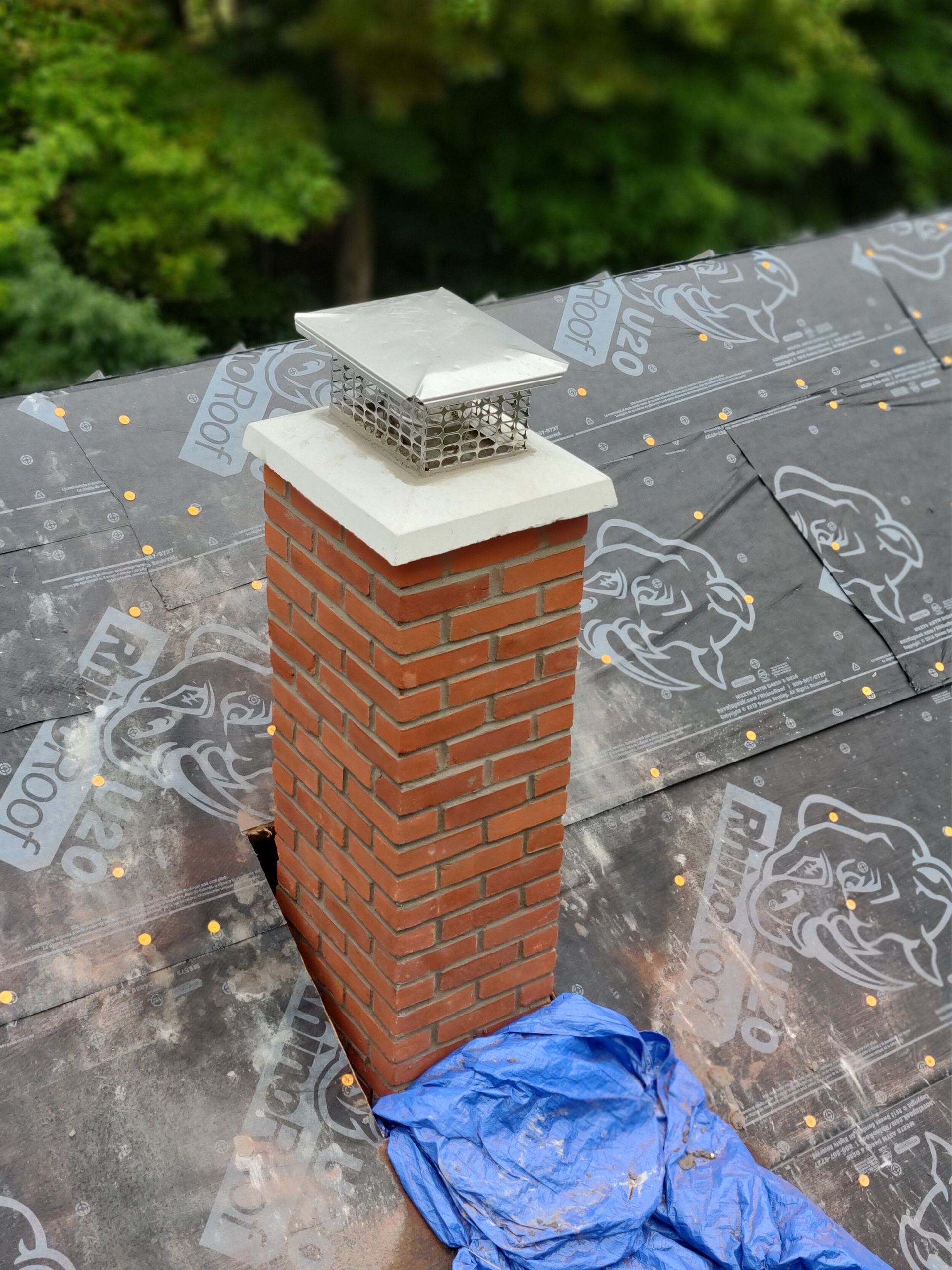
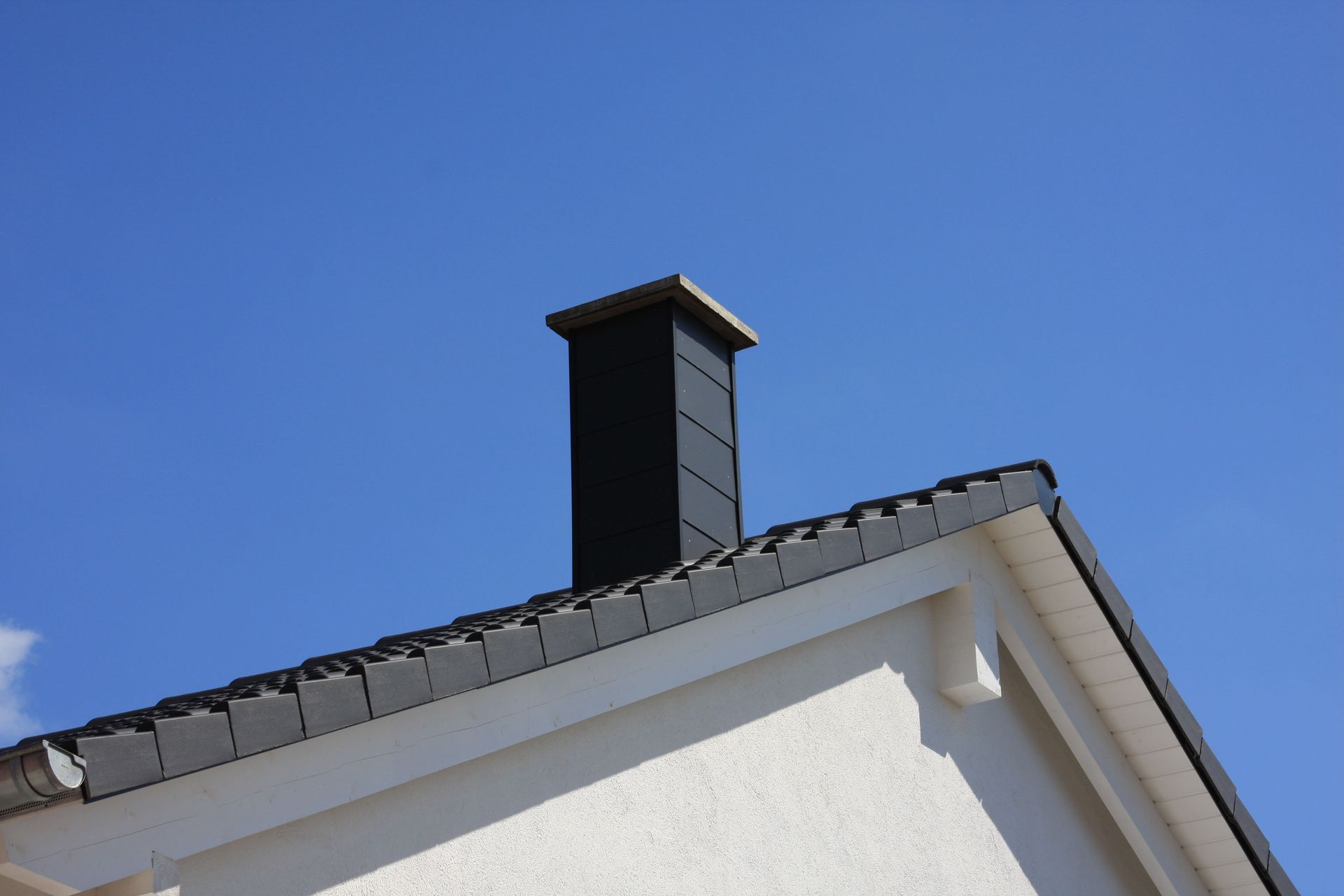
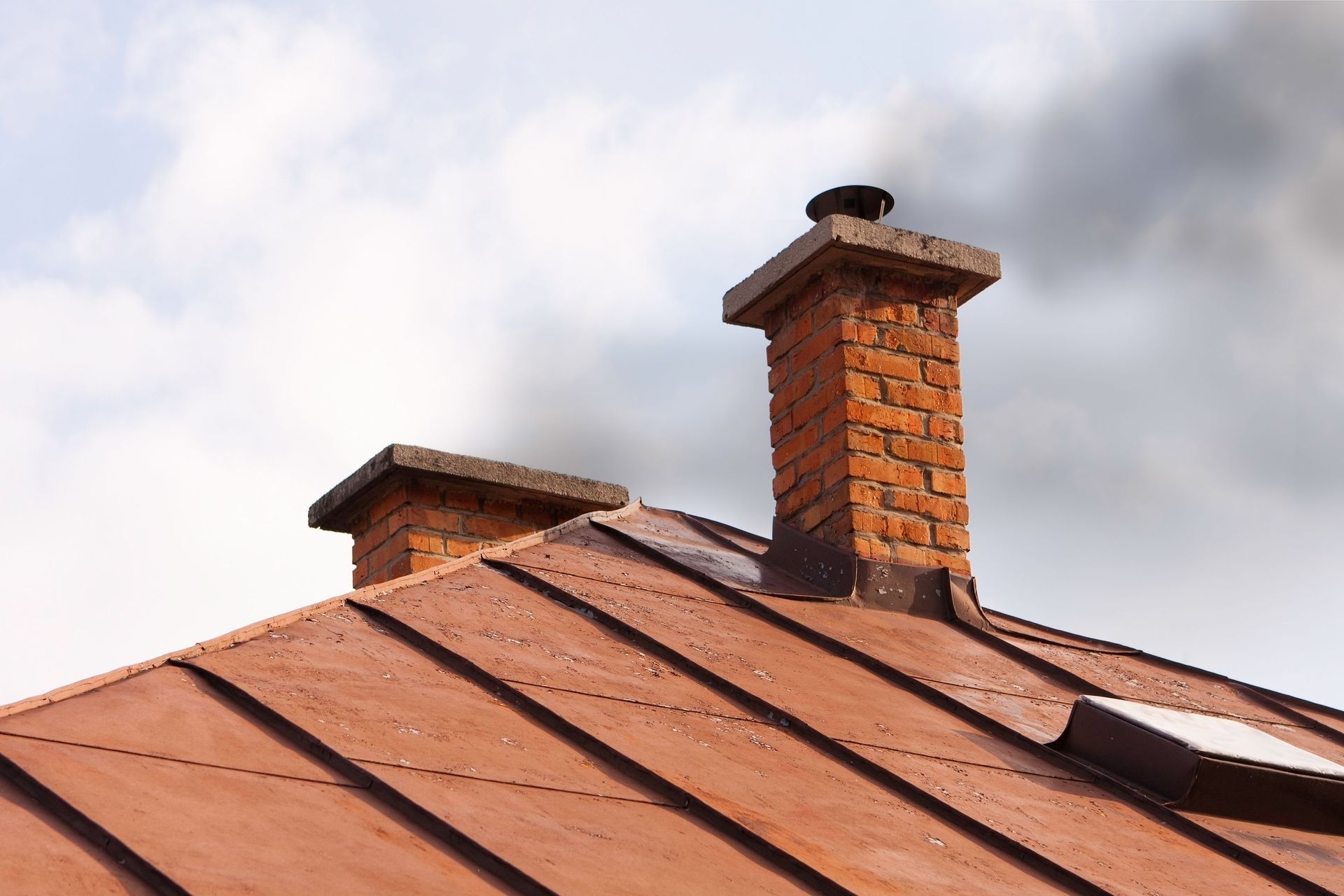
Chimney systems should be periodically inspected for signs of obstruction, deterioration, or structural wear. This includes evaluating masonry conditions, liner integrity, and overall stability of the chimney structure. These inspections are commonly performed as part of chimney services to ensure long-term safety and performance.
Fireplace Maintenance Process
Clear Debris
Fireplace maintenance typically begins with removing ash and loose debris from the firebox area. This helps maintain a clean operating space and allows for clearer inspection of internal conditions. Chimney services often include debris evaluation as part of a broader system assessment.
Clean Glass and Surfaces
Glass doors and surrounding surfaces may accumulate soot over time. Cleaning these areas helps maintain visibility and preserves the appearance of the fireplace. Surface condition checks are sometimes included in chimney services when assessing overall fireplace condition.
Address Surface Staining
Masonry surfaces, such as brick or stone, may develop staining from regular use. Careful cleaning methods can help preserve the appearance of these materials without damaging their structure. Persistent staining may indicate deeper issues that require chimney services for further evaluation.
Check Ventilation Pathways
Proper airflow is essential for fireplace performance. Ventilation systems, including dampers and flue pathways, should remain clear and functional to support safe operation. These airflow components are frequently inspected during chimney services to ensure proper system performance.
Maintenance, Repair, and Restoration Balance
Apply Professional Masonry Services
Masonry professionals focus on maintaining, repairing, and restoring structural components of fireplaces and chimney systems. This includes evaluating brick, stone, and mortar conditions as well as addressing visible signs of deterioration. Services may also involve chimney structure work and fireplace reconstruction when needed. These services are closely aligned with full chimney services that address both structural and functional concerns.
Assess Repair Costs
The scope of masonry work varies depending on the level of deterioration or damage present. Minor repairs may involve localized restoration, while more extensive issues may require rebuilding or structural reinforcement of chimney or fireplace systems. Chimney services often help identify the extent of work needed before repair decisions are made.
Perform Routine Home Maintenance
Homeowners can support system longevity by monitoring visible conditions and keeping accessible areas free from buildup. Regular observation helps identify early signs of masonry wear or structural concerns. However, chimney services remain essential for identifying hidden issues that are not visible during routine checks.
Identify When Masonry Work Is Needed
Signs such as cracking in brick or stone, deteriorating mortar joints, or visible structural shifting may indicate the need for professional masonry evaluation. Addressing these issues early helps prevent further system deterioration. Chimney services are often the first step in determining the scope of necessary repairs.
Maintaining wood stoves and fireplaces involves consistent care, seasonal attention, and timely professional support when structural concerns arise. When homeowners stay aware of how these systems function and address early signs of wear, they can help preserve safety, efficiency, and long-term performance. Routine upkeep combined with proper masonry repair or restoration work ensures these systems continue operating as intended over time. For more information about fireplace and chimney masonry services, learn more with J&A Masonry, LLC and explore how professional chimney services can support the long-term condition of your system.
Share On: