
Essential Masonry Services for Long-Lasting Builds
The art and science of masonry have shaped the skyline of human civilization for millennia. From the Pyramids of Giza to the Great Wall of China, masonry techniques and materials have been crucial in building enduring structures. In modern times, the importance of masonry continues, with advancements in materials and methods making it an indispensable part of construction. It is the blend of historical craftsmanship with cutting-edge technology that allows contemporary masonry to produce aesthetically pleasing and long-lasting structures. Understanding this synergy is key to appreciating masonry services and how they help shape the modern world.
Understanding Masonry Materials
Bricks are the quintessential building blocks that have been used for centuries in construction. Their durability, availability, and versatility make them a preferred choice for many builders. Bricks can be seen in a variety of settings, from homes and buildings to pavements and gardens. The natural colors and textures of bricks add an aesthetic appeal that enhances any structure. Beyond aesthetics, bricks are also known for their excellent thermal mass, which contributes to energy efficiency in buildings.
Concrete blocks, often considered the modern brother of bricks, offer a robust alternative with a variety of applications. These blocks are larger, making construction faster and potentially more cost-efficient. Concrete blocks are highly valued for their strong structural integrity and fire resistance. They can be used in load-bearing walls and are an excellent choice for building foundations. Innovations in design, such as colored or textured blocks, enhance their aesthetic viability in various projects.
Stone has been a building material of choice for millennia, offering unmatched strength and natural beauty. Different varieties of stone, including granite, limestone, and sandstone, offer builders a palette of options for creating distinct architectural designs. Their use ranges from monumental constructions, like cathedrals and statues, to modern homes and offices. Stones are also known for their eco-friendly nature, often sourced locally and requiring minimal processing.
Mortar acts as the binding element in masonry and masonry services. It's crucial for holding stones, bricks, and blocks together. It is composed of a mixture of sand, cement, and water, creating a paste that can bond the individual masonry units into a solid, coherent structure. The choice of mortar is essential, as it affects the durability and aesthetics of the masonry work. Different compositions of mortar can influence the flexibility, strength, and appearance of the finished construction. By adjusting the ingredients, builders can tailor mortar properties to suit specific project requirements.
Beyond the classic formulations, modern innovations in mortar technology have expanded its capabilities. Additives can enhance properties like tensile strength, water repellency, and color. These advances enable the use of mortar in various challenging environments, ensuring that it can adapt to the specific demands of contemporary construction projects. Mortar plays a critical role not just in binding, but also in managing moisture and thermal movement within a structure.
Considering Masonry Techniques and Methods
Traditional masonry techniques have evolved over centuries, forming the bedrock of modern construction practices. Techniques like brick bonding patterns, such as Flemish and English bonds, are fundamental to creating strong, stable structures. These methods are deeply rooted in historical building practices, where precision and craftsmanship were paramount. Traditional techniques continue to be valued for their aesthetic qualities and robust performance.
Advanced masonry methods have emerged with the introduction of new technologies and materials. Techniques such as reinforced masonry and pre-stressed masonry improve the structural capabilities of buildings. Similarly, computerized design systems have enhanced precision in masonry construction, allowing for the realization of complex architectural visions. These advancements allow modern structures to meet stringent performance standards while still maintaining aesthetic appeal. In an industry with over 23,135 businesses in the United States, according to IBIS World, staying at the forefront of technological advances is key to competitive success.
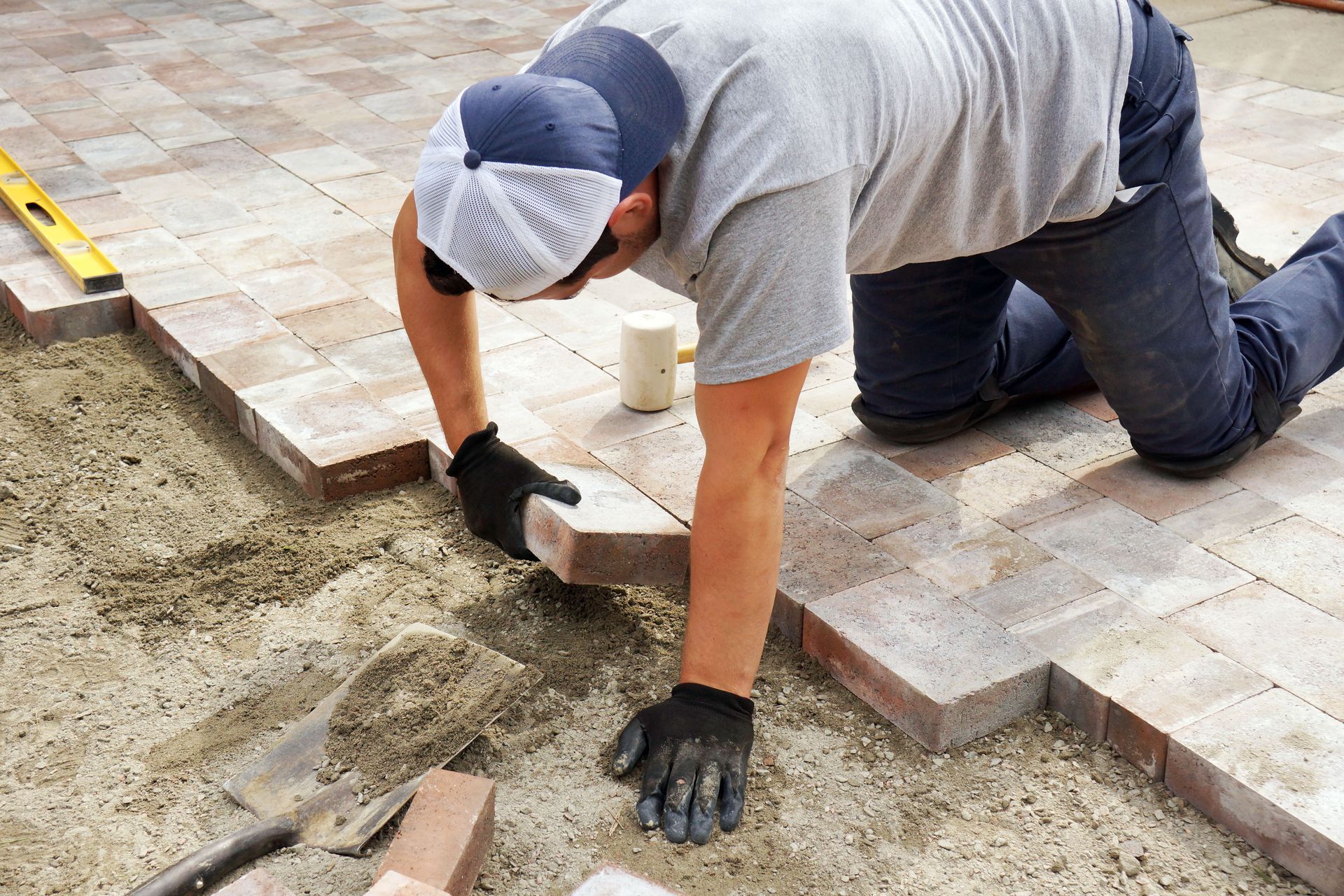
Efficiency in masonry laying is crucial to meeting modern construction demands for speed and cost-effectiveness pertaining to masonry services. Prefabrication methods, where sections are constructed off-site, reduce on-site labor and construction time. Advanced tools and machinery, such as automated bricklaying robots, are also revolutionizing the field. These innovations enhance the speed and precision of masonry work, allowing builders to meet tight deadlines without compromising quality.
Comprehending Structural Integrity in Masonry
The structural integrity of masonry is a result of how stress and load are effectively managed within the structure. Proper load distribution is critical to prevent undue stress on specific areas, which could lead to cracks or failure. Engineers and architects must carefully calculate load paths and employ techniques, like interlocking patterns and reinforced blocks, to optimize stress management. Advanced software tools now allow for precise modeling of stress distribution within masonry structures. These technological advancements provide an assurance of safety and stability in modern constructions.
Reinforcement techniques in masonry have been developed to enhance strength and resilience, particularly in load-bearing structures. The integration of steel reinforcements can dramatically increase the tensile and compressive strength of masonry walls. This allows for taller and more complex structures to be built with masonry, traditionally known for its compressive strength rather than tensile. Reinforcement not only improves structural performance during regular use but also enhances resistance to extreme forces, such as earthquakes. Through blending tradition with innovation, reinforced masonry stands as a testament to improved engineering practices.
Prioritizing Maintenance of Masonry Structures
Routine inspections and assessments are vital to ensuring the longevity and safety of masonry structures. Regular checks allow for the early identification of issues such as cracks, moisture penetration, and structural movement. Addressing these concerns promptly prevents them from escalating into significant problems that could compromise structural integrity. Trained professionals perform assessments by observing and evaluating the current condition against standardized benchmarks. This proactive approach to maintenance not only preserves the aesthetic appeal but also extends the life of the building.
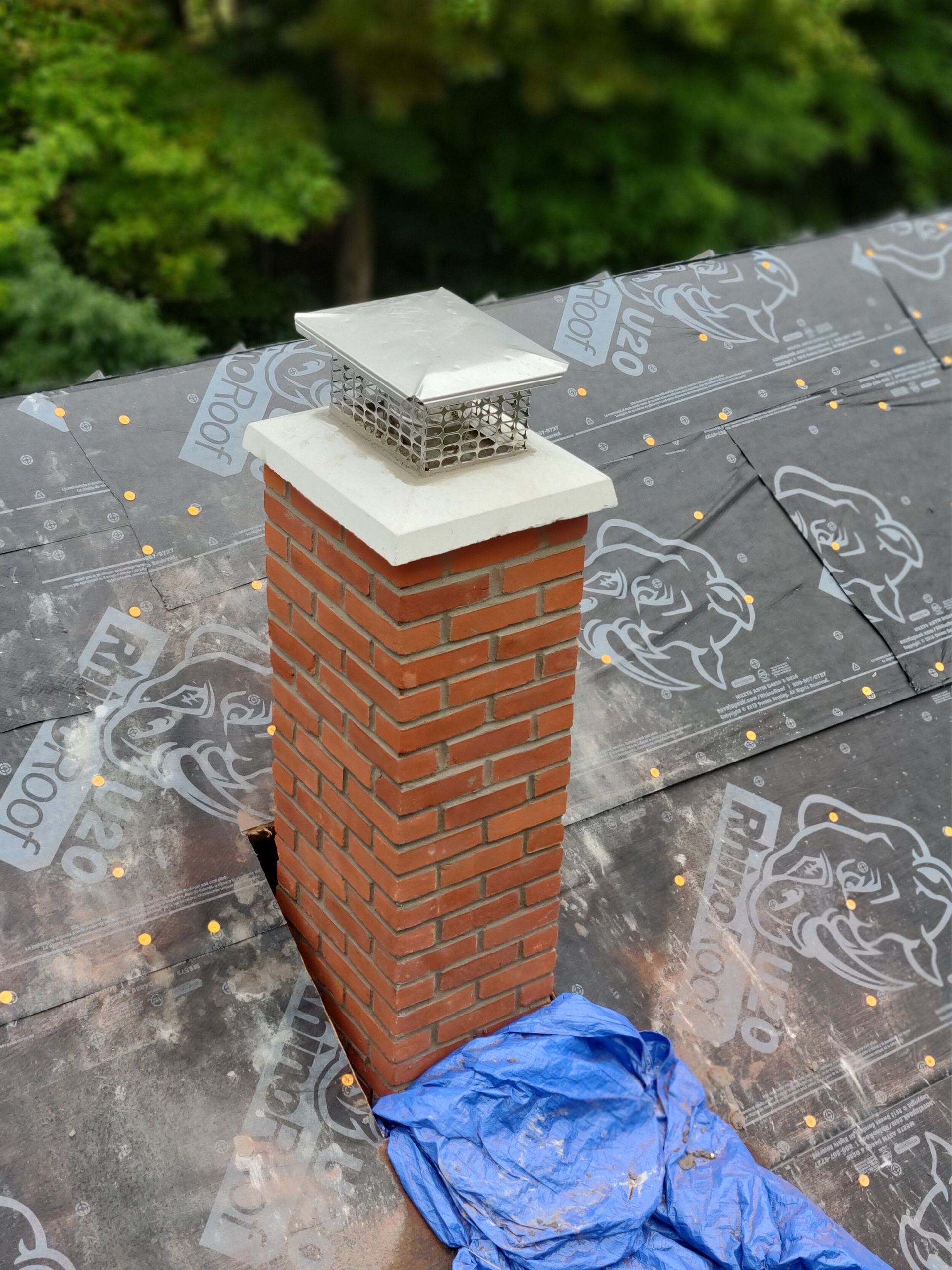
Addressing common masonry issues, such as efflorescence and spalling, is key to maintaining structural health and appearance in masonry services. Efflorescence, a white crystalline deposit, is often a sign of excessive moisture and needs swift attention to prevent long-term damage. Spalling, where the surface of masonry peels or flakes, can be due to freeze-thaw cycles or poor workmanship. Repair work should focus on rectifying both symptoms and underlying causes to prevent recurrence. Regular maintenance work, therefore, is integral to preventing these common issues from deteriorating masonry structures.
Implementing Innovative Masonry Design
Aesthetic design and patterns in masonry contribute significantly to the visual appeal of a building. Creative bricklaying and stone arranging provide endless possibilities in design, allowing each structure to be a unique creation. Patterns such as herringbone, basket weave, or Flemish bond, demonstrate the artistic potential of masonry. Beyond aesthetics, these patterns can also contribute to the structural integrity and load distribution. By effectively combining functionality with beauty, masonry remains a favored choice in architectural design.
The integration of technology in masonry design heralds a new era where precision and creativity coalesce. Advanced modeling software facilitates intricate and precise planning, ensuring each element of the design is feasible. Technology also enables the creation of digital prototypes that help in visualizing the final result before construction begins. This minimizes errors and allows for real-time adjustments, ensuring that the design aligns precisely with client expectations.
Masonry services are indispensable in constructing durable and aesthetically pleasing structures in the modern world. With innovative designs and sustainability in focus, masonry continues to evolve, meeting the demands of contemporary architecture. Professionalism and expertise in masonry significantly impact the outcome of any project, ensuring safety, beauty, and longevity. To learn more about how these services can help you with your next big project, reach out to J&A Masonry, LLC, and see what we can do for you.

Share On: