
What Is a Chimney Fire and How Can Chimney Sweep Services Help Prevent It?
Gathering around a roaring wood-burning fireplace brings warmth, comfort, and nostalgic ambiance to residential living during freezing winter evenings. For generations, traditional masonry fireplaces and wood stoves have served as cherished domestic centerpieces where families congregate to unwind and escape the chill. Yet, operating an active solid-fuel heating appliance introduces serious subterranean combustion hazards that remain concealed behind decorative fireplace surrounds and finished drywall. Every time logs burn inside an open firebox, chemical combustion byproducts—including unburned hydrocarbons, volatile gases, water vapor, and mineral ash—ascend through the vertical flue exhaust passage. When these hot, vaporized gases encounter chilled flue walls near upper rooflines, they condense into a highly combustible, tar-like substance known as creosote. Left unaddressed, accumulated creosote creates severe fuel loads that can ignite into an uncontrolled inferno within chimney walls. The destructive potential of these structural blazes is staggering; indeed, According to the National Fire Protection Association, while the larger (non-confined) fires involving fireplaces or chimneys were involved in fewer than one in ten fires caused by heating equipment (6%), they caused nearly one-fifth of the direct property damage (19%). This sobering statistic highlights why venting maintenance is an urgent safety obligation for homeowners rather than an optional chore. Engaging certified hearth professionals ensures that flues undergo thorough mechanical sweeping, rotary brushing, and diagnostic camera evaluations before winter wood-burning begins.
Understanding Creosote Formation and Internal Combustion Hazards
The primary catalyst behind catastrophic chimney fires is the gradual accumulation and eventual ignition of combustible creosote deposits along the interior flue liner. When firewood burns without sufficient combustion air or when homeowners burn green, unseasoned cordwood with high moisture content, incomplete combustion occurs, producing thick smoke laden with microscopic unburned carbon particles. As this smoke slowly rises through a cold masonry column, condensation occurs, coating clay tiles, pumice liners, or stainless-steel flues with a gummy residue. Retaining experienced chimney sweep services allows homeowners to identify and remove all developmental forms of this hazardous byproduct before thermal ignition takes place. However, repeated exposure to rising exhaust gases bakes this powder into a tacky, tar-like deposit, which eventually hardens into a dense, glassy crust known in the hearth industry as glazed creosote. Glazed creosote represents an acute fire hazard because it contains concentrated energy density that ignites readily when stray sparks or intense draft flames reach the flue. Once ignited, a creosote fire behaves like an industrial blast furnace, generating explosive internal temperatures that crack clay flue tiles and threaten surrounding wooden roof rafters.
Recognizing Subtle Warning Signals of Undetected Chimney Ignition
A prevalent danger associated with chimney fires is that many occurrences burn quietly and escape immediate detection by sleeping household occupants. While explosive, fast-burning chimney fires produce dramatic roaring sounds akin to a low-flying freight train or passenger aircraft, accompanied by dense black smoke plumes and showers of burning embers erupting from chimney pots, slow-burning fires behave covertly. Contracting for diagnostic chimney sweep services enables certified inspectors to discover evidence of previous, unnoticed fires that damaged internal components without alerting the homeowner. A slow-burning chimney fire occurs when restricted oxygen supplies cause creosote to smolder quietly at extreme heat rather than bursting into visible flames. Although less dramatic, these low-oxygen fires generate intense thermal absorption that quietly bakes adjacent wooden structural framing, gradually lowering the ignition temperature of wooden wall studs through a process known as pyrolysis. Homeowners might notice subtle warning signals, such as scorched chimney caps, discolored or warped stainless-steel rain cowls, cracked chimney crowns, or chunks of shattered flue tile scattered across fireplace grates after heavy burns.
Eliminating Dangerous Blockages and Flue Obstructions
Beyond chemical creosote accumulation, external foreign obstructions inside the flue column present grave ignition risks and deadly carbon monoxide poisoning hazards. Chimney stacks provide sheltered, elevated cavities that attract wildlife—such as chimney swifts, squirrels, raccoons, bats, and wasps—seeking refuge from predators and harsh winter weather. Birds and rodents carry twigs, dry leaves, animal fur, and nesting debris into the upper flue, creating dense physical plugs that completely block exhaust draft flow. Sourcing seasonal chimney sweep services ensures that flues are thoroughly cleared of all animal nesting materials and biological debris prior to lighting the initial fire of the season. When a homeowner ignites a fire beneath an obstructed flue, rising heat cannot vent upward, causing toxic combustion gases—including odorless, lethal carbon monoxide—to back-draft directly into interior living rooms. Moreover, bone-dry bird nests and dried leaves sitting directly above the firebox act as volatile kindling, igniting instantly when struck by rising sparks.
Inspecting Flue Liners and Identifying Masonry Fractures
The internal flue liner functions as a protective shield separating volcanic combustion temperatures from the combustible wooden framing of a home. Over years of thermal cycling, freeze cycles, and exposure to corrosive acidic exhaust gases, traditional clay terracotta flue tiles deteriorate, developing hairline fractures, spalling surfaces, and crumbling mortar joints between individual sections. Enlisting professional chimney sweep services provides homeowners with comprehensive video scanning inspections, where specialized digital cameras travel the full vertical length of the flue. High-resolution camera footage reveals hidden vulnerabilities—such as missing mortar joints, cracked flue pipes, or shifted clay tiles—that remain entirely invisible during casual visual inspections from the hearth. When a creosote fire ignites inside a damaged flue liner, thermal shock causes existing cracks to expand rapidly, allowing superheated gases and burning embers to escape through gaps directly into wooden ceiling joists and wall framing.
Protecting Exterior Chimney Crowns and Flashing Assemblies
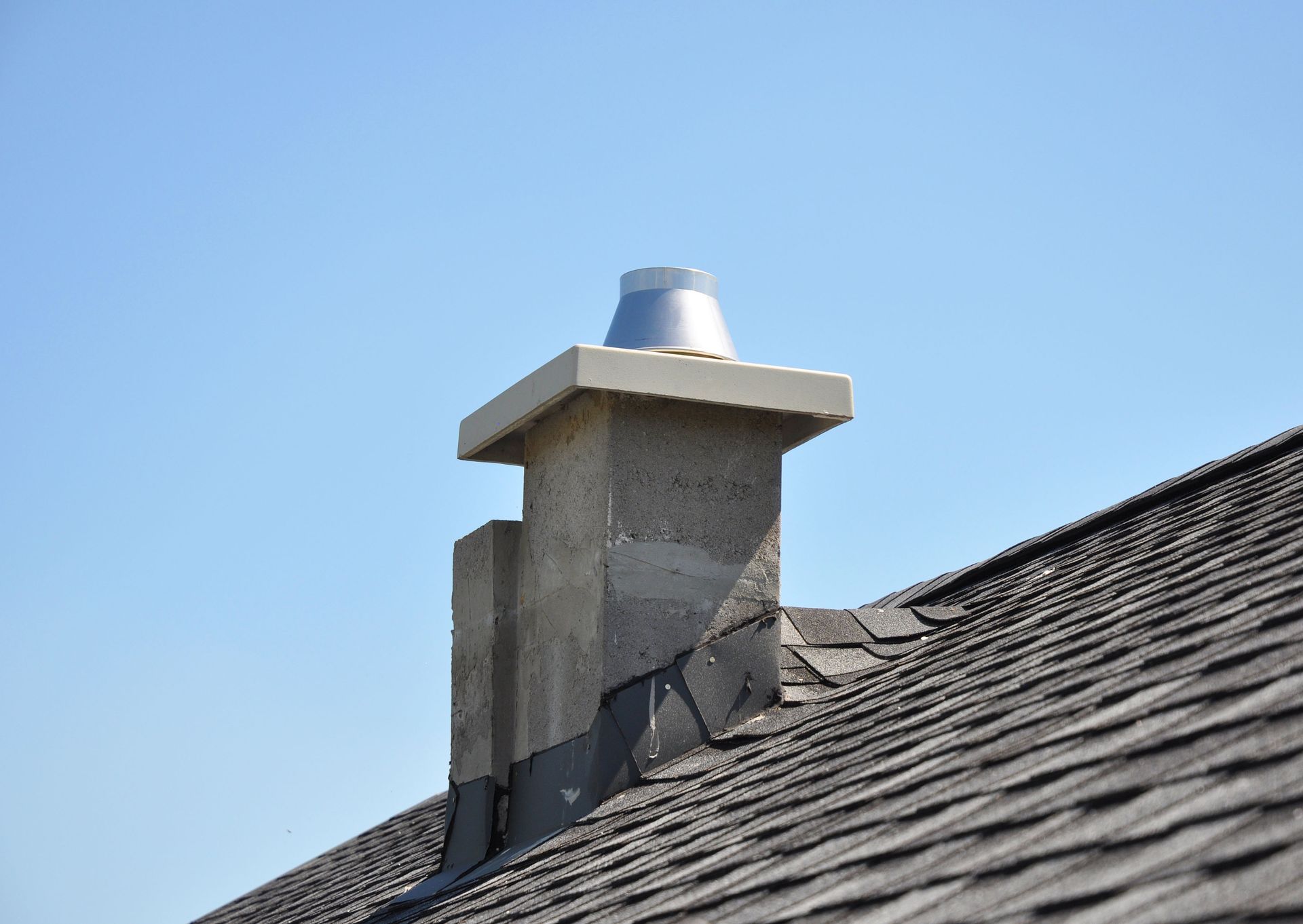
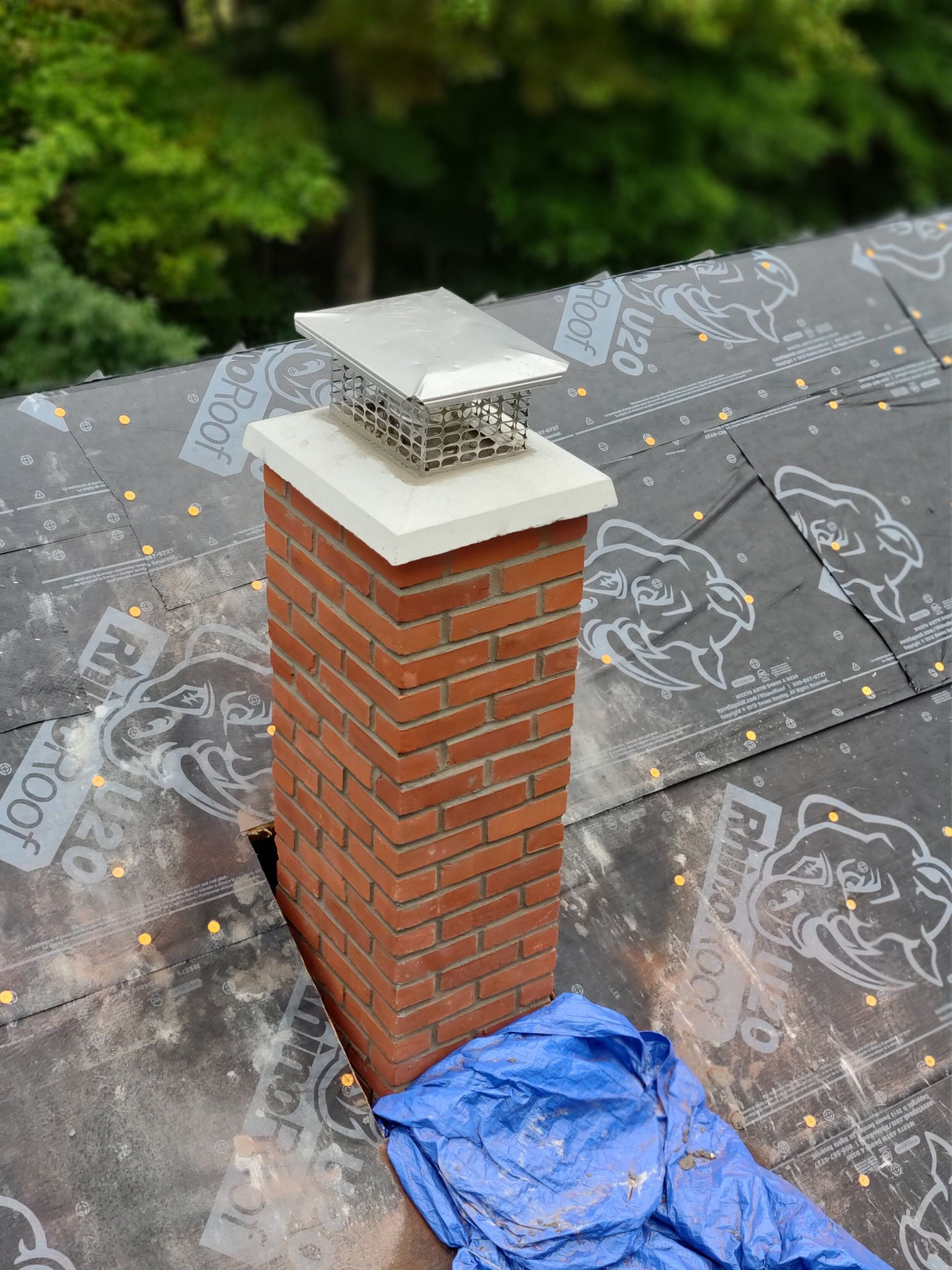
Preserving the internal safety of a chimney column requires maintaining the exterior weatherproofing barriers that shield masonry from persistent water infiltration. At the summit of the chimney stack, the concrete crown serves as a protective roof, sloped outward to shed rainwater and melting snow away from the masonry facade and flue opening. Sourcing skilled chimney sweep services ensures that exterior masonry, chimney crowns, and metal flashing assemblies undergo meticulous seasonal audits. Over seasonal freeze cycles, standing water trapped within microscopic concrete pores expands, causing crowns to crack and chip away, allowing rainwater to cascade down internal chimney cavities. Furthermore, where the masonry stack penetrates the roofline, metal step flashing and counter-flashing must maintain watertight seals against driving rains. Cracked caulking beads or rusted flashing aprons allow rainwater to seep along rafters, rotting wooden subflooring and softening roof trusses near the chimney base.
Protecting a home from the catastrophic destruction of a chimney fire requires seasonal awareness, diligent operational habits, and professional technical stewardship. Operating a wood-burning appliance without routine chimney maintenance is an invitation to disaster, as invisible creosote accumulations, animal nesting debris, and fractured flue liners create a volatile recipe for residential fires. When a creosote fire ignites within an uninspected flue, explosive temperatures can shatter masonry, breach interior walls, and ignite structural framing in minutes, resulting in devastating property loss. In sharp contrast, investing in certified professional chimney maintenance eliminates fuel sources, restores unrestricted draft flow, and verifies the structural soundness of internal liners and exterior masonry. Proactive chimney care transforms a potential fire hazard into a safe, reliable sanctuary of winter warmth and family comfort.
At J&A Masonry, LLC, our dedicated team brings deep masonry expertise, advanced digital diagnostic cameras, and an unwavering commitment to craftsmanship on every residential project we guide, ensuring your chimney achieves complete creosote removal, flawless structural integrity, and exceptional fire safety across every burning season. Contact us today or visit our local office to schedule your comprehensive chimney evaluation and discover the lasting benefits of working with trusted masonry and hearth professionals.

Share On: